
Franklin Home Prices Explained: What Moves Value Street by Street
It's easy to look at a median sale price and assume every home in town rises and falls the same way. In reality, Franklin values often behave more like a mosaic—small shifts in location, lot characteristics, and neighborhood feel can create meaningful differences in what buyers will pay. One street may reward walkability and charm, while the next prioritizes newer construction, privacy, or school proximity. Understanding the "why" behind those differences helps sellers price confidently and helps buyers compete intelligently.
At Magnolia Ridge Realty, we see the same pattern repeat: homes don't just sell in a town, they sell in a micro-location. That micro-location includes everyday lived experience—traffic at school drop-off, how quickly you can hop on a commuter route, whether an evening stroll feels pleasant, and how consistent the surrounding properties are. The good news is that once you know which levers actually move value, pricing and negotiation become far less mysterious.

Micro-neighborhoods: why the next block can change the number
Buyers don't evaluate Franklin as one big map. They compare clusters: a pocket of homes with similar age and condition, a neighborhood with a consistent style, or a stretch where lots feel larger and more private. When inventory is tight, these micro-areas become even more distinct because buyers emotionally "select" their favorite pocket and compete harder within it.
Street-by-street differences often come down to the daily details: cut-through traffic versus a quieter loop, sidewalks and lighting, proximity to parks or community spaces, and whether the street has a cohesive look (similar setbacks, mature trees, and well-kept yards). Even subtle noise sources—busier connectors, nearby athletic fields, or a route used heavily during commuting hours—can influence perceived comfort and, ultimately, price.
Another factor is the sense of continuity. If a street includes a mix of very updated homes and heavily dated ones, buyers may price in uncertainty. In contrast, a street where most properties are similarly maintained tends to create stronger comparable sales, which often supports firmer pricing and smoother appraisals.
The "big levers" that most consistently move value
While every transaction is unique, several value drivers show up again and again in Franklin. Think of these as the high-impact items that can move a home into a different pricing tier, even when the square footage is similar.
- Condition and modernization: Updated kitchens and baths, refreshed paint, and consistent flooring can shift buyer perception from "project" to "move-in," changing demand dramatically.
- Layout and functionality: Buyers place a premium on practical flow—open yet defined living spaces, a usable mudroom area, and flexible rooms for remote work or hobbies.
- Lot usability: A flatter yard, better privacy, and outdoor living potential can matter as much as interior finishes.
- Garage and parking: In many neighborhoods, the difference between a one-car and two-car garage (or a tight driveway versus comfortable parking) is felt immediately during showings.
- Energy efficiency: Updated windows, insulation, and newer mechanicals often reduce buyer hesitation, especially when utility costs are top of mind.
Timing can also amplify these levers. In peak demand windows, buyers may overlook dated finishes if the location and layout are strong. In more balanced months, the same dated finishes can translate into longer market time or a larger negotiation gap.
Why two similar homes can appraise and sell differently
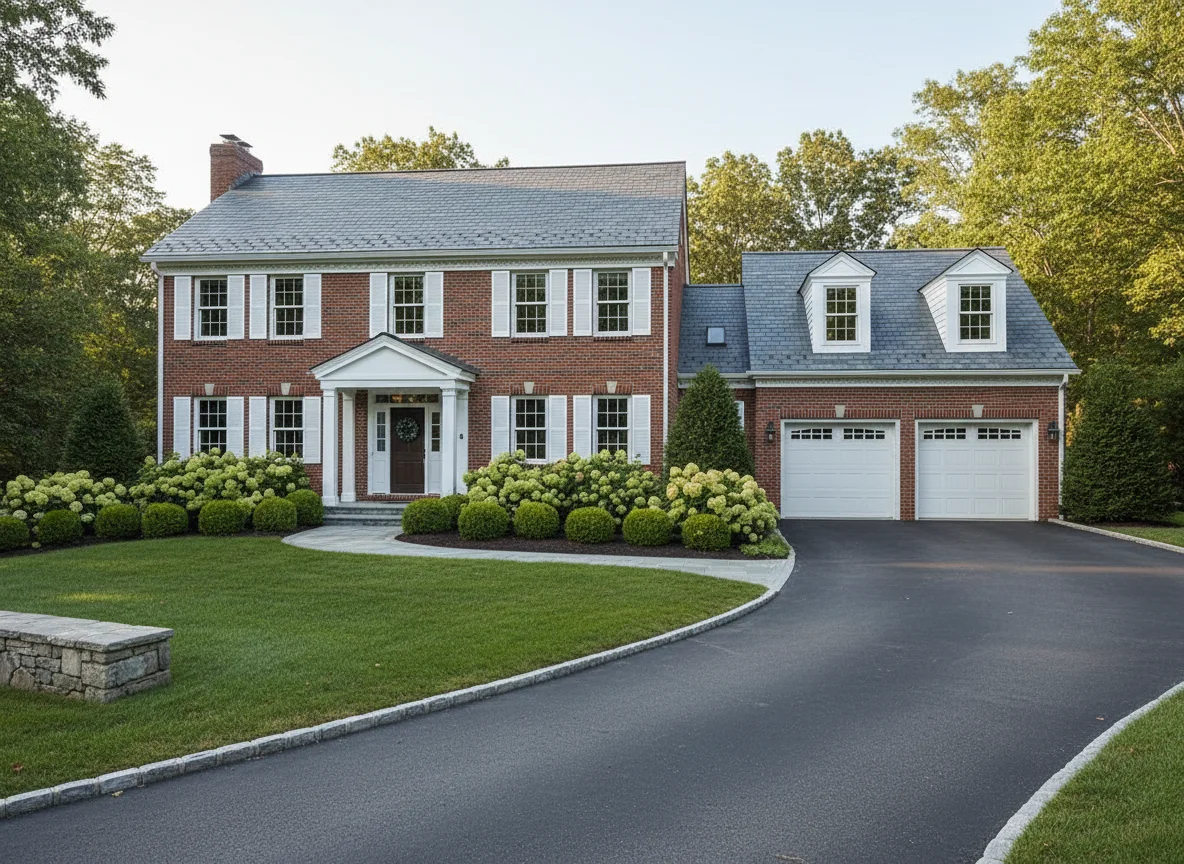
Comparable sales aren't just about distance. Appraisers and buyers look for similarity in style, age, condition, and utility. A home that's "close by" but on a different type of street—busier, fewer sidewalks, or inconsistent home styles—may not carry the same weight as a slightly farther sale that matches the micro-neighborhood profile.
There's also the compounding effect of improvements. A renovated kitchen alone helps; a renovated kitchen plus refreshed bathrooms, updated lighting, and consistent finishes signals a fully cared-for home. Buyers often pay more when they feel they won't be managing a series of small projects after moving in. Conversely, a home with scattered updates—new counters but worn flooring, updated vanity but old shower—can feel like an unfinished to-do list, pulling offers down even if the raw numbers look comparable.
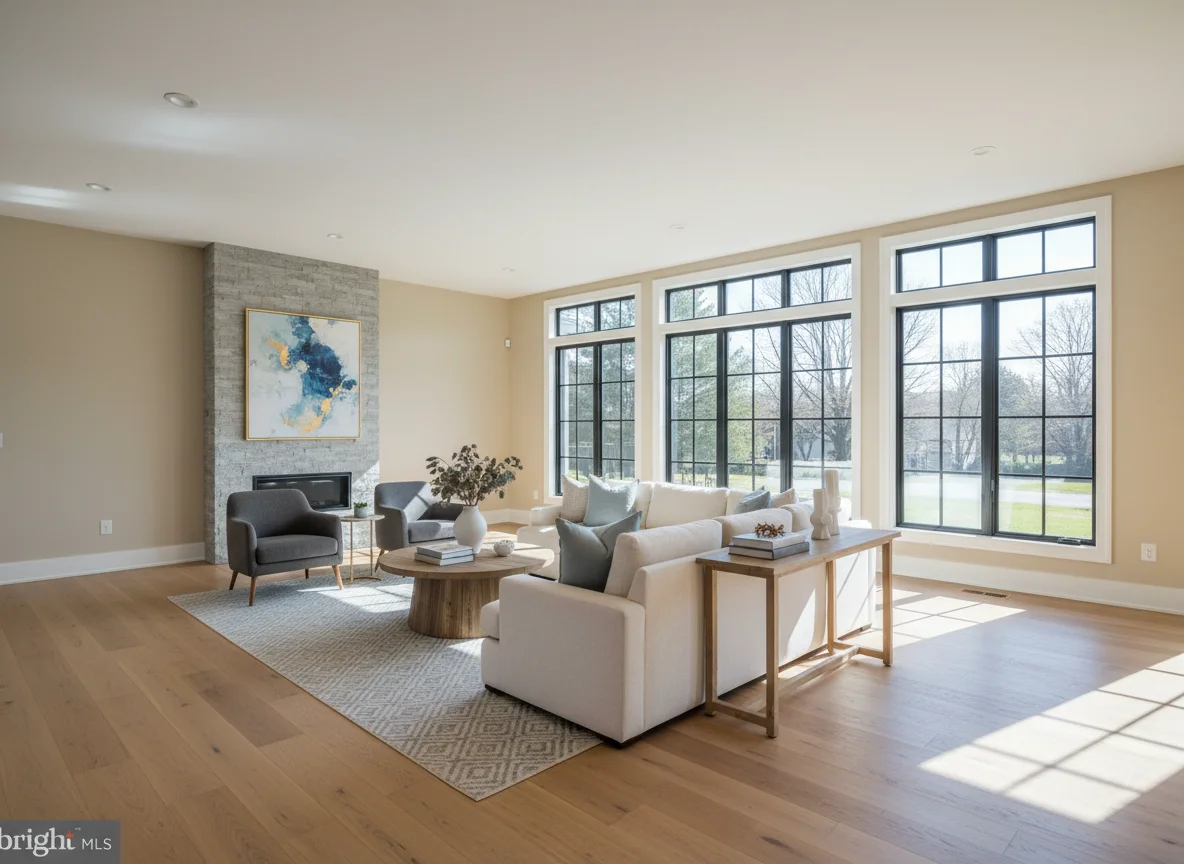
Finally, perception during showings matters. Natural light, room proportions, and how the home "lives" can't be captured fully in online photos. Two houses with the same square footage can feel completely different if one has a choppy layout or smaller bedrooms. That difference shows up in offer strength and, in competitive situations, in the likelihood of waived contingencies.
Community anchors that buyers price in (even when they don't say it)
Franklin's appeal isn't only the house—it's the rhythm of daily life. Buyers often arrive with a mental checklist tied to commute patterns, schools, weekend activities, and the convenience of errands. Even when specific destinations aren't discussed out loud, the ease of getting to them influences which neighborhoods become "must have" zones.
Recreation and community amenities play a subtle role in value: access to trails, parks, fields, and spaces that encourage year-round routines. Streets that feel connected to these amenities—without being directly impacted by traffic or noise—often hold their value well because they match the lifestyle buyers picture when they imagine living in Franklin.
Schools can be a major driver, but it's not always as simple as "closer is higher." Some buyers want walkability and a neighborhood feel; others want a quieter setting with a bit more privacy. What matters most is how well a particular street aligns with the buyer pool for that price point—because demand is what converts into stronger offers.
Pricing strategy: what sellers can do to capture the best number
The strongest pricing strategy is a blend of data and positioning. Data tells you where the market has been; positioning helps you win where the market is going. For sellers, that means selecting the most relevant comparable sales (same micro-neighborhood feel, similar condition and utility), then deciding how your home will stand out in the first seven days—when demand is most concentrated.
Before listing, focus on improvements that reduce buyer "friction." Clean lines, fresh paint, and small repairs often outperform expensive, highly personal renovations. Pre-listing preparation also includes tightening the story: what is the best lifestyle match for the home, and how do photos and showing flow reinforce that? When buyers feel certainty, they stretch further and negotiate less.
For buyers, the best approach is to separate "must-haves" from "nice-to-haves" and understand which streets are likely to attract multiple offers. A well-informed offer isn't just about price—it's about terms, timing, and clarity. In competitive pockets, the cleanest offer frequently wins against a slightly higher but complicated one.
A street-by-street market is a good thing—if you know how to read it
When prices vary within the same town, it can feel confusing at first—but it's also an opportunity. Sellers can identify which features buyers in their micro-area reward and prepare accordingly, while buyers can find value by targeting streets where fundamentals are strong but competition is less intense. If you'd like a closer look at how your specific neighborhood in Franklin is performing—recent sales, current competition, and what buyers are responding to right now—Magnolia Ridge Realty can help translate the data into a clear plan for your next move.