House vs Townhome vs Condo in Franklin: finding the sweet spot between space, simplicity, and predictable expenses
Choosing between a house, a townhome, or a condo in Franklin isn't just about the number of bedrooms—it's about how you want your days to feel and how steady you want your monthly costs to be. Some buyers crave a private yard and room to spread out, while others want a "lock-and-leave" lifestyle with fewer weekend chores. The best fit usually comes down to three things: maintenance responsibility, shared living, and how your monthly payments are structured. If you're weighing options, it helps to picture your normal week, your budget comfort zone, and your tolerance for surprise repairs.
Franklin's appeal is that it can support all three lifestyles. You'll find neighborhoods where detached homes offer privacy and flexibility, along with communities where townhomes and condos simplify upkeep and can make budgeting feel more predictable. From commuting convenience to recreational pockets and local gathering places, the town has a lived-in, neighborly energy that suits first-time buyers, growing households, and downsizers alike. The key is matching your home type to the way you actually live—not the way you think you "should" live.

Single-family houses are the classic choice for buyers who want control. You typically get the most privacy, the most storage, and the most freedom to personalize—think fencing, gardens, an outdoor patio, or finally building the home office setup you've been picturing. That said, "control" also means you own the entire maintenance checklist. Roofs age, driveways crack, furnaces quit on the coldest week of the year, and landscaping doesn't care what your schedule looks like. Monthly costs can be less "fixed" than in a condo community because you're saving for irregular big-ticket items on your own, even if your mortgage payment is stable.
When people compare monthly expenses, they often focus only on principal and interest. In reality, houses require a more complete view: mortgage + taxes + insurance + utilities + long-term maintenance. If you like planning ahead and you want the flexibility to make upgrades that build equity over time, a house can be a great match. If you're already stretched thin by work, travel, or family commitments, the maintenance load can feel like a second job unless you budget for outside help.
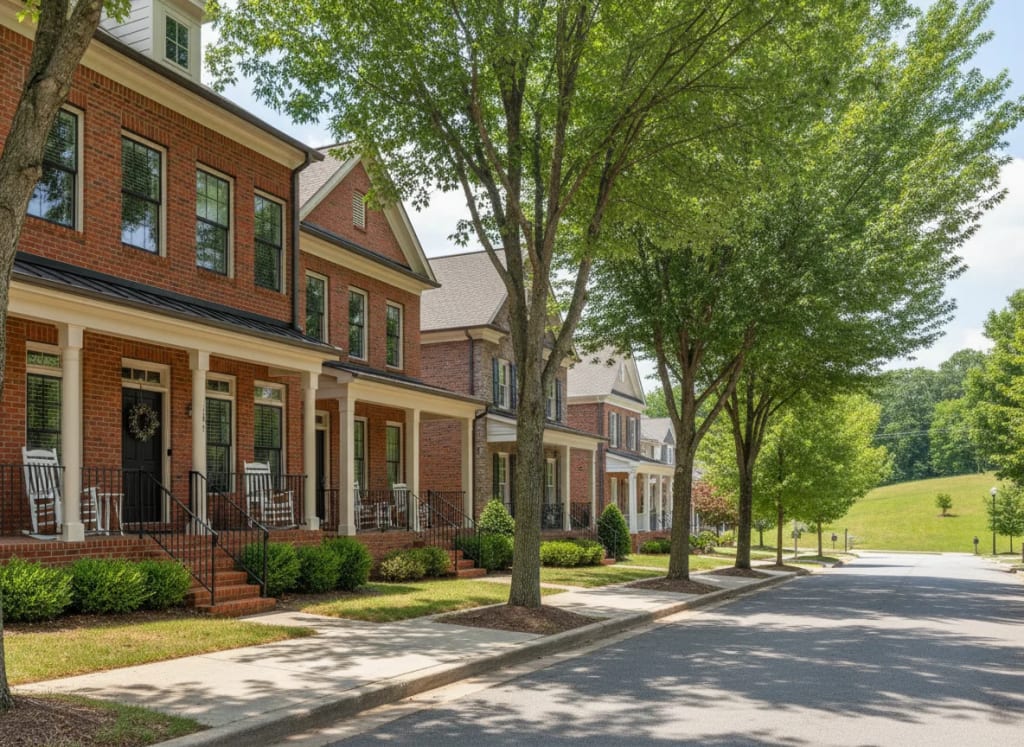
Townhomes often land right in the middle—more space and privacy than a condo, but with some exterior responsibilities shared. Many townhome communities include services like landscaping, snow removal, and sometimes exterior maintenance elements, which can smooth out your time commitments and reduce the number of "surprise Saturday projects." You may still have an HOA fee, but you're frequently gaining predictable services in exchange, and you may enjoy an easier balance between indoor comfort and outdoor convenience.
How monthly costs really differ: mortgage, HOA, and the "what's included" test
Here's a practical way to compare a house, townhome, and condo in Franklin: ask what you're paying for every month, and what you're still on the hook for eventually. Condos usually have the most structured monthly fees, townhomes vary widely, and houses push more costs into the "save for later" category. None of these is inherently better—it's about whether you prefer predictable monthly bills or more control with more personal responsibility.
Condo fees can cover anything from exterior maintenance and master insurance to amenities and reserves for big replacements. A well-run association can be a budget-friendly stabilizer because it spreads building costs across the community. But you'll want to review what's included and what isn't. Two condos with identical list prices can feel very different financially if one HOA includes heat or extensive maintenance and the other does not. Also, condo living means shared decision-making: budgets, reserve planning, and rules are collective choices, not individual ones.
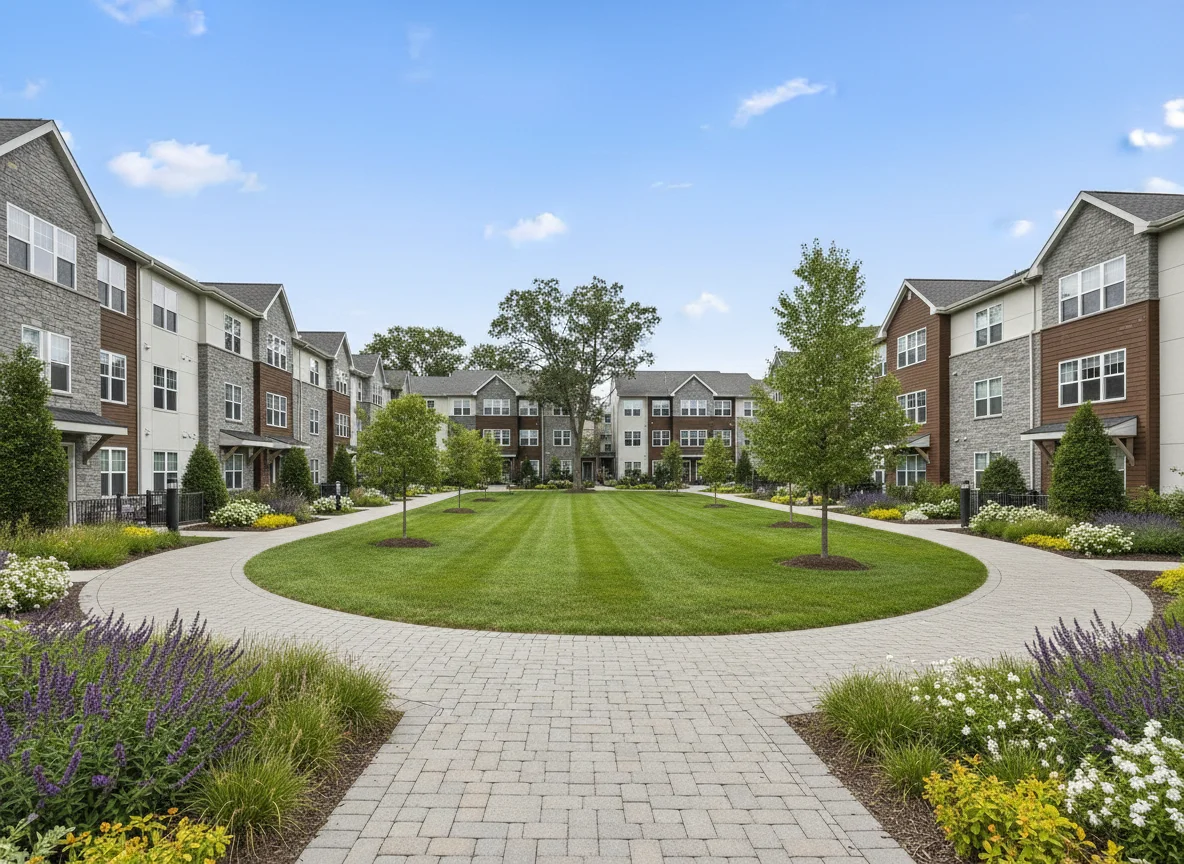
Townhome fees can be similar to condos—or much lighter—depending on how the community is built and managed. Some associations cover roofs and siding; others cover only landscaping and snow. It's important to apply the "what's included" test: if the HOA is lower, are you separately paying for things that another community includes? If the HOA is higher, does it reflect meaningful value such as strong reserves, exterior coverage, or amenities you'll actually use?
For houses, the absence of an HOA can feel liberating, but you'll want your own "invisible HOA" savings plan. Even modest monthly contributions to a maintenance fund can prevent big repairs from turning into financial stress. In Franklin's seasonal climate, budgeting for items like exterior upkeep, heating systems, gutters, and storm readiness is simply part of smart ownership.
Amenities and lifestyle play a big role in how satisfied you'll feel after move-in. Condo and townhome communities may offer features like fitness spaces, community rooms, walking paths, or neatly maintained grounds—especially appealing if you'd rather spend weekends exploring local parks and recreation instead of mowing. Detached homes can still be close to the same attractions, but the day-to-day experience is different: more personal space, more personal tasks.
Rules, privacy, and long-term value: the questions most buyers forget to ask
Beyond price and monthly cost, the "fit" often hinges on how you feel about rules and proximity. Condos usually come with more restrictions—pet policies, rental limits, renovation rules, parking guidelines, and noise considerations. That structure can be reassuring (your neighbor can't suddenly do something that impacts the whole building), but it can also feel limiting if you're used to making independent choices. Townhomes vary: some feel almost like small houses; others live more like condos with extra space.
Privacy is also layered. In a detached house, you control most sightlines and sound buffers. In a condo, you may share walls, hallways, and entries, which can be ideal for buyers who like a community vibe and less isolation. In Franklin, where community character matters—schools, local events, recreation, and a general sense of "people care about where they live"—some buyers actually prefer a setting with more neighbor interaction. Others want a quiet retreat at the end of the day.
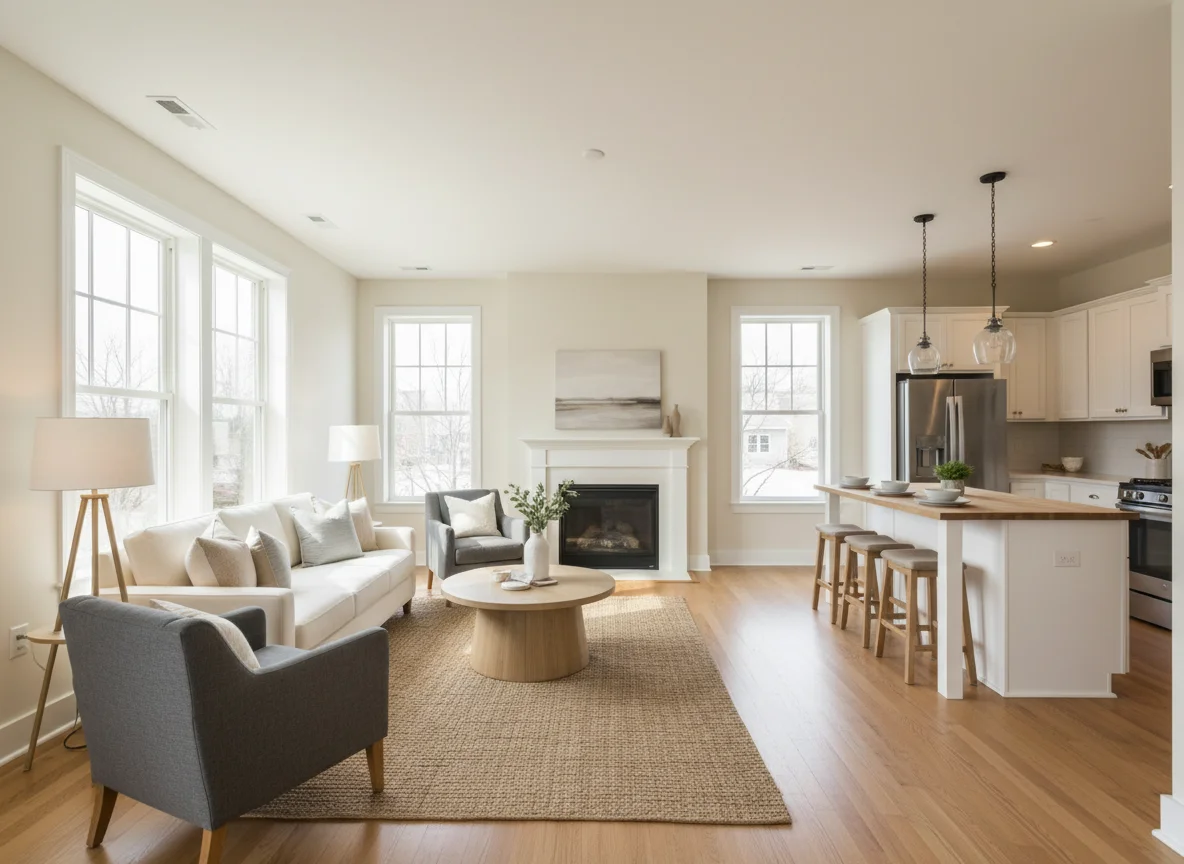
When thinking about long-term value, consider how each property type behaves in different market moments. Single-family homes often have broad demand because they offer maximum autonomy and space. Townhomes can appeal to buyers who want space without the full maintenance load. Condos can be especially attractive for first-time buyers and downsizers, but their value is also influenced by association health, fee levels, and owner-occupancy ratios. None of this is meant to discourage—just to emphasize that the HOA documents matter almost as much as the paint color.
If schools are part of your decision, it's worth looking not only at district information but also at daily logistics: bus routes, commute patterns, after-school activities, and how the home type supports your routine. A condo near the places you regularly go can feel like a lifestyle upgrade even if it's smaller. Likewise, a house that gives kids room to play or gives you the quiet you need to work from home can be worth the extra maintenance, especially if you enjoy yard time.
To make the decision clearer, try this quick self-check:
- Pick a house if you want maximum privacy, customization, and you're comfortable budgeting for maintenance and future replacements.
- Pick a townhome if you want more space than a condo with some shared upkeep—ideal for a balanced, low-hassle routine.
- Pick a condo if you want the most predictable maintenance schedule, simpler ownership, and you're comfortable with shared rules and common areas.
Bringing it home: choose the option that supports your real life
The right choice in Franklin is the one that makes your monthly costs feel manageable and your weekends feel the way you want them to feel—whether that's gardening in your own yard, heading out for a long walk without worrying about mowing, or enjoying a tidy, well-maintained community setting. If you'd like a tailored comparison of current options—along with HOA details, typical utility expectations, and the kinds of upkeep each home type tends to require—Magnolia Ridge Realty can help you narrow it down with clarity and confidence.